

One Android Box, Multiple Applications: 5 Ways Businesses Are Using Android Computing Today
One Android Box, Multiple Applications: 5 Ways Businesses Are Using Android Computing Today
XC-315
One Android Box, Multiple Applications: 5 Ways Businesses Are Using Android Computing Today
As businesses continue to embrace digital transformation, the demand for compact, reliable, and flexible computing platforms has grown significantly. From interactive kiosks and information displays to intelligent edge applications, organizations are seeking solutions that can adapt to various operational needs while remaining easy to deploy and manage.
This is where Android-based computing platforms come into play.
An Android Box is no longer just a media player. Today, it serves as a versatile computing engine that powers a wide range of business applications across retail, hospitality, transportation, corporate environments, healthcare, and beyond.
Let's explore five practical ways businesses are leveraging Android technology to build smarter and more connected experiences.
Digital Signage & Content Delivery
Digital signage has evolved from simple advertising screens into a dynamic communication tool. Businesses use digital displays to share promotional content, company announcements, real-time information, menus, wayfinding guidance, and interactive media. With an Android-based platform, content can be centrally managed and updated remotely, reducing operational workload while ensuring consistent messaging across locations. Common applications include:
- Promotional displays
- Restaurant digital menu boards
- Corporate communication screens
- Public information displays
- Wayfinding systems
The flexibility of Android enables organizations to deploy customized content solutions while maintaining a user-friendly management experience.
Self-Service & Interactive Kiosks
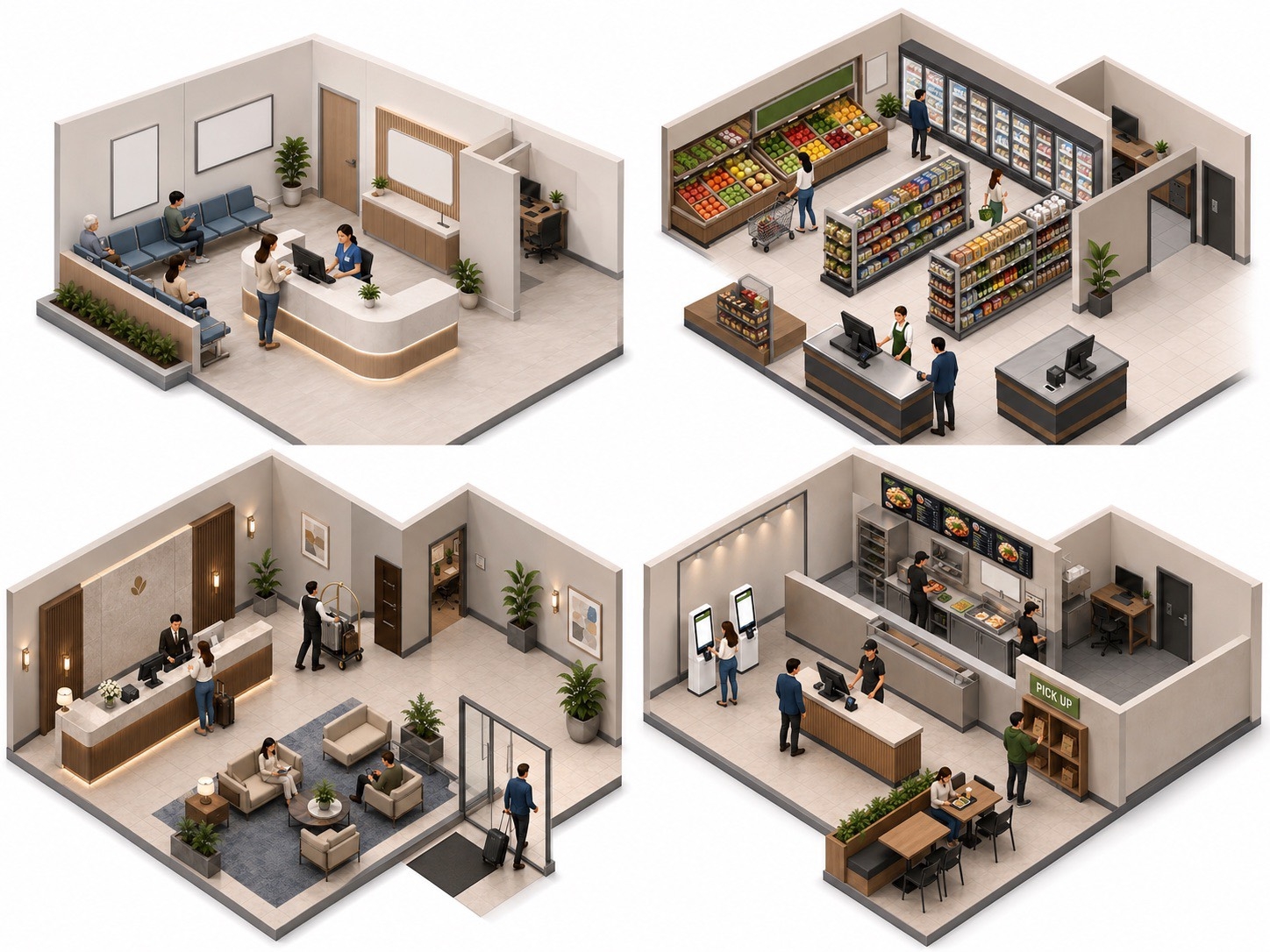
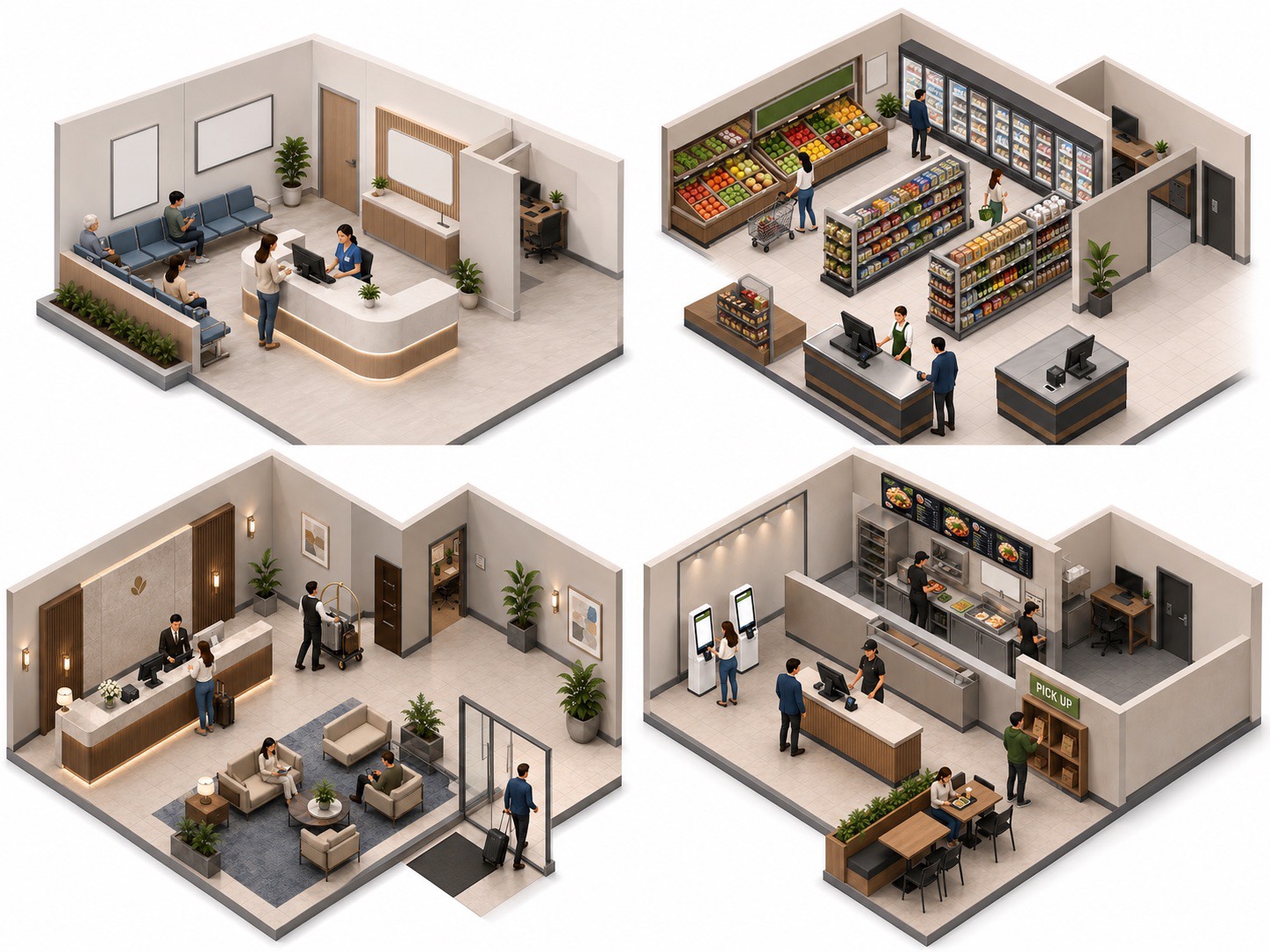
Consumers increasingly expect faster and more convenient services. Self-service solutions have become an essential part of delivering that experience. Android-powered kiosks can support a variety of applications, including self-ordering, self-check-in, visitor registration, ticketing, and information lookup. Their intuitive user interface and broad application ecosystem allow organizations to tailor solutions to specific operational requirements. Typical deployment scenarios include:
- Self-ordering stations
- Hotel check-in kiosks
- Visitor management systems
- Information terminals
- Ticketing machines
As organizations continue to automate routine interactions, self-service technology helps improve efficiency while enhancing customer satisfaction.
Smart Office & Meeting Room Management
The modern workplace relies heavily on connected technologies to improve collaboration and space utilization. Android computing platforms can power meeting room displays, room scheduling systems, digital directories, and workplace communication tools. By integrating with cloud-based management systems, organizations gain greater visibility into room occupancy and resource utilization. Examples include:
- Meeting room booking displays
- Office wayfinding systems
- Digital reception solutions
- Workspace management platforms
- Corporate communication dashboards
These applications help organizations create more efficient and connected workplace environments.
Transportation & Public Information Systems
Airport information displays Railway station signage Bus arrival information systems Interactive navigation kiosks Public service information terminals
- Faster checkout flow
- Reduced operational bottlenecks
- Flexible hardware configurations
- Easier deployment and maintenance
By delivering timely and accurate information, organizations can improve user experiences while simplifying content management operations.
Edge AI & Intelligent Automation
As businesses move beyond digitalization toward intelligent operations, edge computing is becoming increasingly important. Instead of sending all data to the cloud, edge devices process information closer to where it is generated, enabling faster response times and improved operational efficiency. Android computing platforms can support a growing range of intelligent applications, such as:
- AI-powered video analytics
- Occupancy monitoring
- Customer behavior analysis
- Environmental sensing
- Smart automation systems
These applications allow organizations to transform data into actionable insights while reducing latency and bandwidth requirements. The combination of Android flexibility and edge intelligence creates new opportunities for businesses looking to modernize their operations and prepare for future AI-driven services.
A Flexible Platform for Diverse Business NeedsWhether powering a digital signage network, supporting self-service experiences, managing workplace resources, or enabling intelligent edge applications, a reliable Android computing platform serves as the foundation for modern connected environments. The ability to support multiple deployment scenarios with a single hardware architecture helps organizations reduce complexity, simplify maintenance, and accelerate innovation. As digital transformation continues to evolve, businesses are increasingly seeking solutions that are not only powerful and scalable, but also adaptable to changing operational needs. An Android Box provides exactly that—a compact yet versatile platform capable of supporting today's applications while remaining ready for tomorrow's opportunities. |
Discover How XC-315 Can Support Your Business
Contact our team today to learn how XC-315 can help bring your vision to life.
Contact Us